Health problems around the world can feel overwhelming. Some countries deal with infectious diseases. Others face rising rates of cancer and heart issues. Many places lack basic medical tools and trained staff. Biotechnology is stepping up to meet these challenges. Scientists are creating clever solutions that work in real-world conditions. The goal is simple: make good health achievable for everyone.
A New Kind of Microscope for Faraway Places
Good medicine starts with good diagnosis. But many labs in poor regions cannot afford expensive equipment. Researchers in Switzerland found a smart way to fix this problem. They built a portable device using ordinary smartphone parts. This new tool is actually a powerful type of fluorescence microscope. It can detect single molecules and costs very little to make. The whole thing weighs just over a kilogram. Health workers can carry it anywhere, even without reliable electricity. They can test patients on the spot and send results to doctors far away. This means better care for communities that used to get left behind.
Growing Medicine in Lettuce Leaves
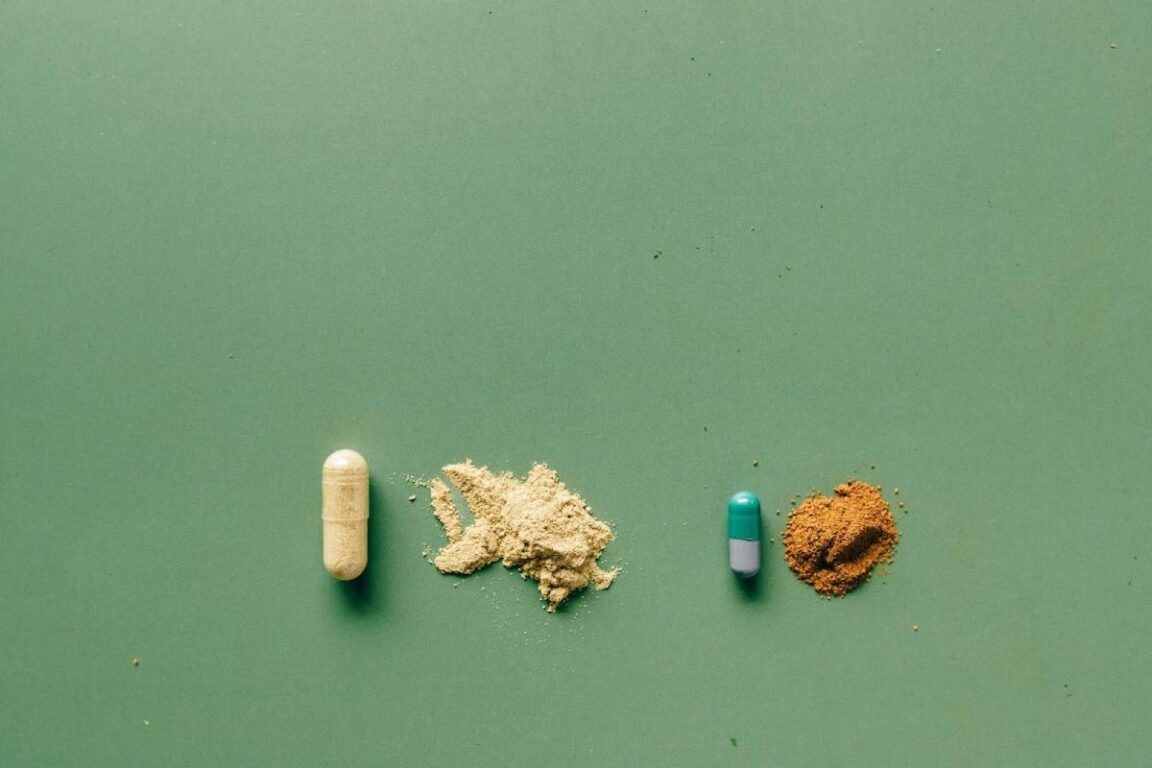
Injections are painful and expensive to store. Many life-saving drugs need constant refrigeration. A lab in Pennsylvania came up with a wild idea instead. They grow human medicine inside ordinary lettuce plants. The process sounds like science fiction but it works. Scientists put human genes into plant cells. The lettuce leaves then produce therapeutic proteins. Workers freeze-dry the leaves and turn them into powder. Patients can swallow the medicine in capsules. No needles, no cold storage, and almost no cost. This method could make insulin and other drugs affordable for millions.
Fighting Malaria with RNA Technology
Mosquitoes cause some of the biggest health problems on Earth. Malaria still kills hundreds of thousands of children every year. Old vaccines just did not work well enough. RNA medicine offers a fresh approach now. Scientists can design treatments that teach the body to fight the parasite. The same technology that stopped COVID might stop malaria too. Researchers are also working on flu shots that last for years. They want to create one vaccine that protects against many strains. This would save countless lives in places where people cannot see a doctor every year.
Cheap Tests That Detect Everything
Some clinics in poor countries can only test for one disease at a time. This wastes time and money. Engineers at the University of Toronto built something better. Their device can find twenty different pathogens on a single chip. It also spots ten types of antibiotic resistance. The whole test costs about five dollars. Doctors can figure out exactly what is making someone sick. They can choose the right drug immediately. This stops the spread of wrong treatments and saves more lives.
Training Local Doctors to Stay Home
Rich countries often pull talented doctors away from poor ones. This leaves entire regions without any mental health experts. A program in Ethiopia took a different path instead. They created a residency program inside the country itself. Local doctors learned to treat mental illness right where they lived. Almost all of them stayed after finishing their training. Patients who used to be chained up can now live normal lives. The secret was building partnerships with people who understood the culture. Technology helped, but relationships mattered more.
Editing Microbes to Beat Superbugs
Germs keep learning to outsmart our drugs. Antibiotic resistance might soon kill more people than cancer does. Chinese scientists are fighting back with clever tools. They use special enzymes that act like genetic glue. These enzymes can repair DNA and create new medicines. The goal is to build drugs that kill resistant bacteria. They also study ocean microbes that eat plastic pollution. Sometimes the solutions for health come from unexpected places. A bug that breaks down trash might also teach us how to save lives.
The Path Forward Looks Bright
Global health problems will not solve themselves. But biotech keeps finding ways to help. Portable microscopes put labs in backpacks now. Lettuce plants become medicine factories. RNA shots tackle ancient diseases. Cheap tests find hidden infections. Training programs keep doctors close to home. None of these ideas worked alone. They all needed partners who understood local needs. The future depends on simple tools that work anywhere. It depends on listening to communities and respecting their wisdom. Good health should not be a luxury for the lucky few.