
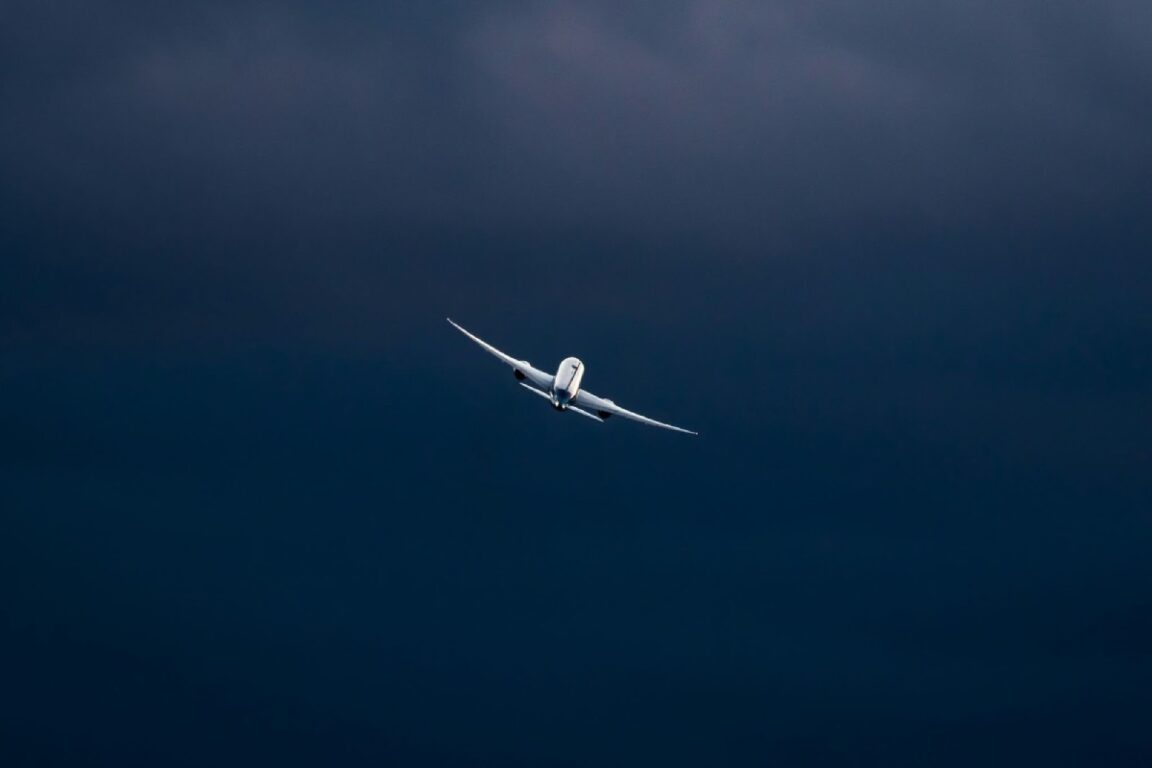
Flying is still the safest way to travel. That fact rests on a foundation of constant vigilance. It is not just about the pilots anymore. A whole network of eyes and sensors now watches over every flight.
This is security monitoring in aviation. It works silently in the background. Passengers never see it in action. But it is always there, scanning for trouble. The goal is simple. Spot a problem early and stop it before it grows. The digital age has made this job incredibly powerful.
The People Behind the Screens
Many companies contribute to this safety web. One example is Acron Aviation, which brings deep experience to the table. Their heritage stretches back nearly a hundred years. They provide tools that feed into the bigger security picture.
Think of flight recorders that capture every sound and data point. These devices are crucial for investigations after an incident. They also offer surveillance tech that helps aircraft see and avoid each other. It is all about gathering accurate information. That data becomes the foundation for smarter monitoring everywhere.
A Control Tower for Cyber Threats
Aircraft are now packed with connected computers. This opens a door to digital intruders. Airbus developed a specialized center to handle this risk. It is called the Aircraft Security Operations Center. Think of it as a watchtower for cyber threats. It monitors fleets around the clock, every single day of the year.
Security experts analyze data streams from planes in flight. They look for unusual activity or hacking attempts. If they find something, they send an alert and guidance to the airline. This service helps operators comply with strict new regulations too. It takes a huge burden off their shoulders.
Eyes That Never Blink
Physical security at airports is getting a massive upgrade too. Old methods like fences and patrols are not enough anymore. New systems use a mix of radar and smart cameras. High-resolution radar detects movement in any weather. It works in complete darkness or heavy rain. Once it spots something, it automatically points a camera at the spot.
This gives security teams a real-time view of the threat. They can verify if it is a deer or an intruder instantly. It cuts down on false alarms dramatically. It creates a reliable safety net around the whole airfield.
Spotting Trouble Inside
Some of the biggest threats come from within. It could be a passenger with bad intentions. It might even be an employee with access to restricted zones. Technology is learning to spot these risks. Advanced systems use artificial intelligence to watch for unusual behavior. They can flag someone showing signs of aggression or nervousness.
This is not about reading minds. It is about identifying patterns that look wrong. Past research projects even tested face recognition for boarding. The tech worked well, though lighting could be tricky. The goal is to catch a problem at the gate, not at 35,000 feet.
Protecting Data and Communications
A plane shares a lot of information with the ground. It sends position reports, weather data, and maintenance logs. This data flow needs strong protection. Encryption is the first line of defense. It scrambles the information so only authorized people can read it.
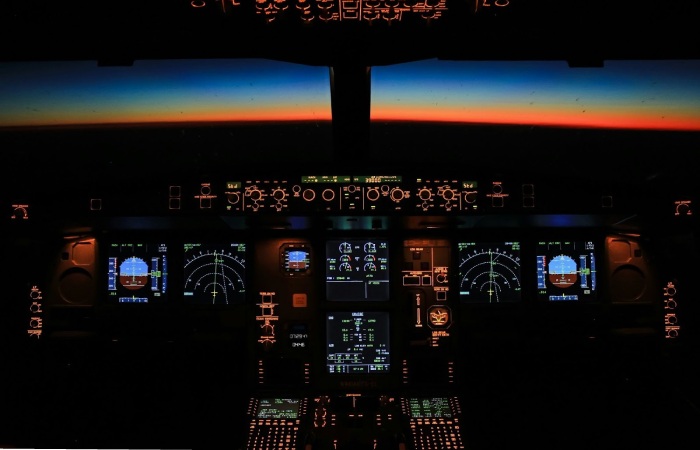
Security systems also watch for electronic intruders trying to hack in. They protect the plane’s critical systems from malicious commands. If an attack does happen, some systems can automatically restore safe data. This keeps the flight deck secure from digital manipulation. It ensures the pilots can trust what they see on their screens.
Preparing for the Unexpected
Security monitoring is not just about fancy gadgets. It also involves good old-fashioned readiness. Companies like Allied Universal provide security professionals on the ground. They manage access to secure areas. They screen employees and inspect deliveries.
These teams use modern tools to track their patrols. Software with GPS confirms they checked every critical spot. If an incident happens, they are trained to respond fast. This blend of human vigilance and digital tracking is powerful. It creates a culture of security everywhere.
A Constant, Evolving Mission
The threats to aviation keep changing. They get more complex every year. Security monitoring must evolve right along with them. It pulls together data from countless sources. It combines cyber defense with physical barriers. It uses artificial intelligence and human instinct.
The ultimate mission never wavers. It is about protecting everyone on board. It is about ensuring that takeoff leads to a safe landing. The systems work hard so passengers can relax. That peace of mind is the whole point.